Should I Capitalize the Word ‘Bigfoot?’ The B vs. b Debate

I’ve been making the decision to capitalize the word Bigfoot for the last year and a half now, and it occurred to me recently that I might be doing it all wrong.

While curled up in bed last week, snug as a bigfoot in a rug, I flipped through the pages of books like Sasquatch: Legend Meets Science, Monster Trek, Searching for Sasquatch, Bigfoot, Yeti, and the Last Neanderthal, Anatomy of a Beast, etc., and I realized there was no consensus on capitalization. Authors would use big B’s and little b’s at different times—sometimes with multiple variations in one text.

Were these decisions arbitrary? I refused to believe it! If each author had enough time to write a book about Sasquatch, then they surely had enough time to deeply ponder the writing mechanics—or at least do whatever a random editor told them to do.

I decided to capitalize the word Bigfoot mostly because that’s what I’d seen most modern journalists doing. I was a mimicker. A sheep! A wild, black sheep by nature—but a sheep, nonetheless. I couldn’t believe I had overlooked this for so long.

It plagued me for hours, even whole days. I would lie awake for minutes. I nearly dreamed about it. It was clear that I was a fraud. How could I call myself a professional writer if I hadn’t solved the ultimate Bigfoot mystery of B vs. b?
The Man Who Killed Hitler and Then Bigfoot: Behind-The-Scenes Secrets

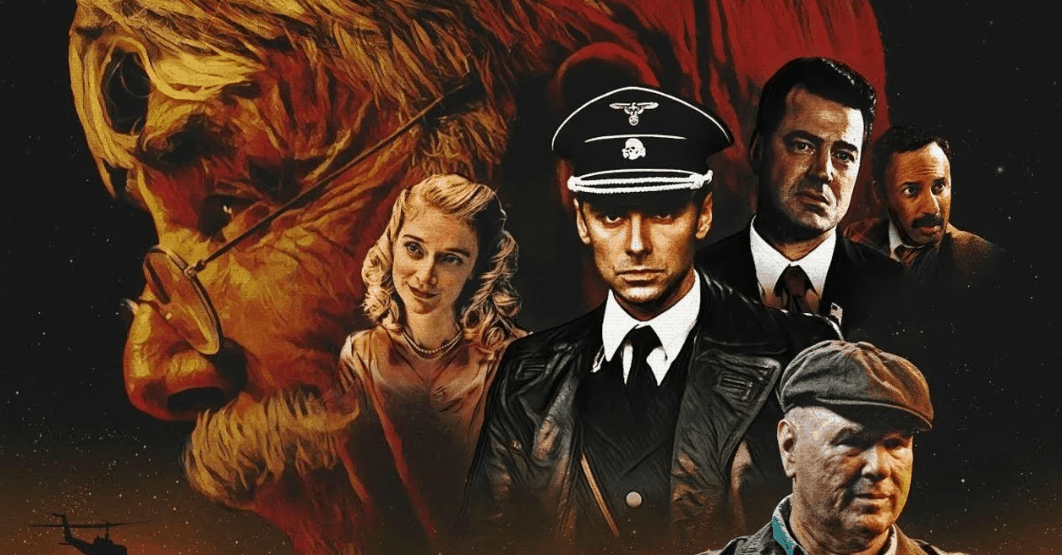
The movie poster for The Man Who Killed Hitler and Then Bigfoot

Last Friday at SF IndieFest, I went to an early screening of The Man Who Killed Hitler and Then Bigfoot—a movie where the title reveals the plot line so fans won’t feel badly when we do it.

That being said, I do reveal a few minor spoilers in this piece, and the movie comes out in theaters today, so proceed at your own risk!

The film is about a war veteran who murdered Hitler in the 1940s, only to be recruited in 1987 to save the human race by assassinating Bigfoot, the unwitting carrier of a deadly viral plague.

The answer to the question on every Bigfoot geek’s tongue is… 

You Will Find Bigfoot With This New App—Guaranteed

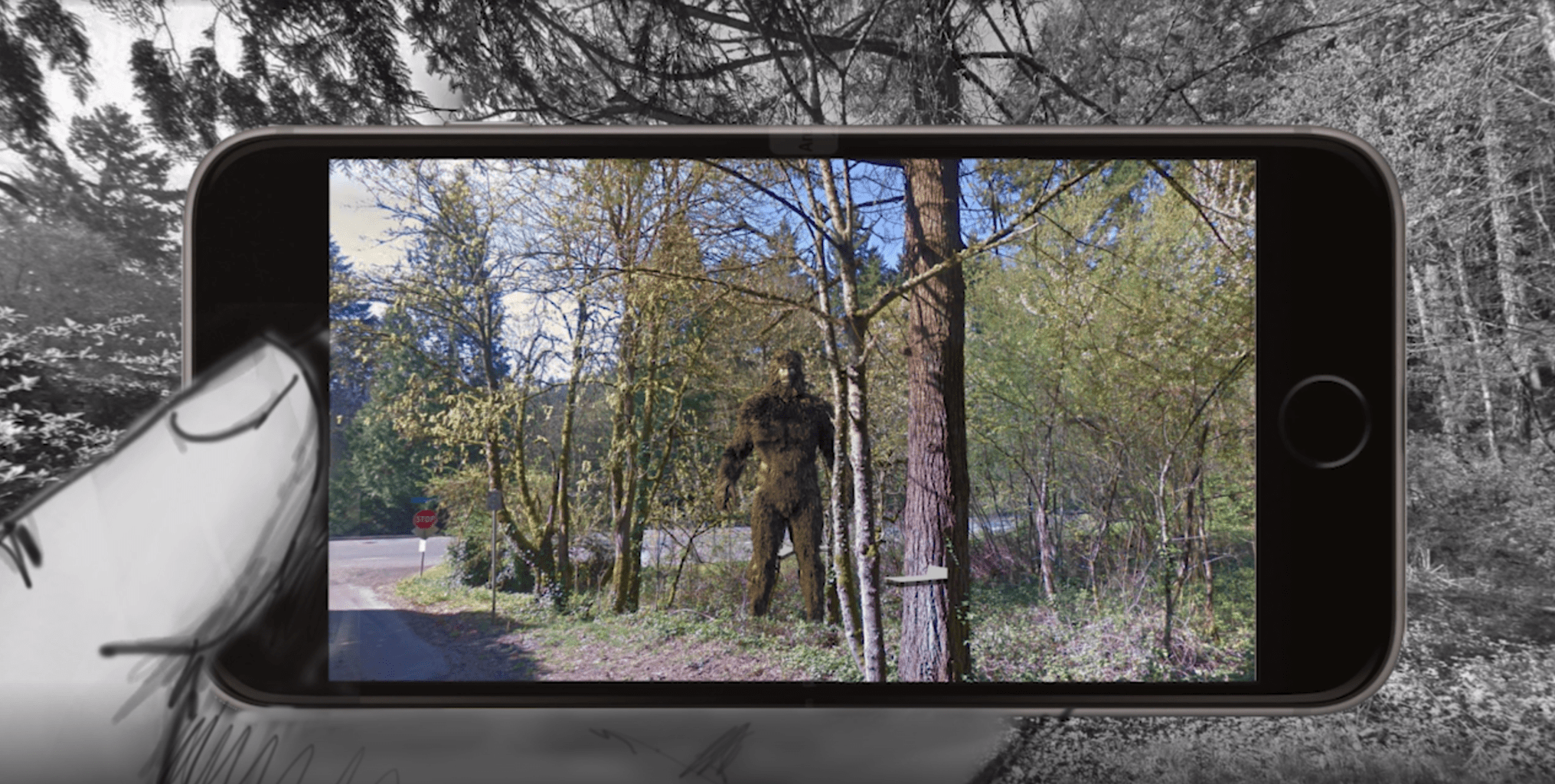
Bigfoot captured on an iPhone // Credit: Bigfoot Reality

Bigfoot Reality is a new augmented reality app that will allow people to finally capture totally undeniable footage of an authentic-looking Bigfoot—right down to the hair in its stinky, cavernous nostrils! Of course, it’ll be totally, undeniably fake, but, when has that ever stopped anyone from posting their Sasquatch videos online?  

The way it works: You hold up your phone in certain locations around North America, and mere feet in front of you, you can be face to face with the mythological hominid species known as THE SASQUATCH.

The app will be equipped with a “Biome Map” that allows you to click on different parts of the U.S. and Canada to see which subspecies of Bigfoot are native to specific regions, and where you can go to find them. (If you’re in Texas, you’ll be hunting Harry Bill; in California, Sasquatch; in Chicago, Grassman.)

It’s kind of like Pokémon Go for Squatchin’—only way more advanced.

Is Sasquatch Too Controversial For Science? What Happens When Scientists Toe the Bigfoot Line

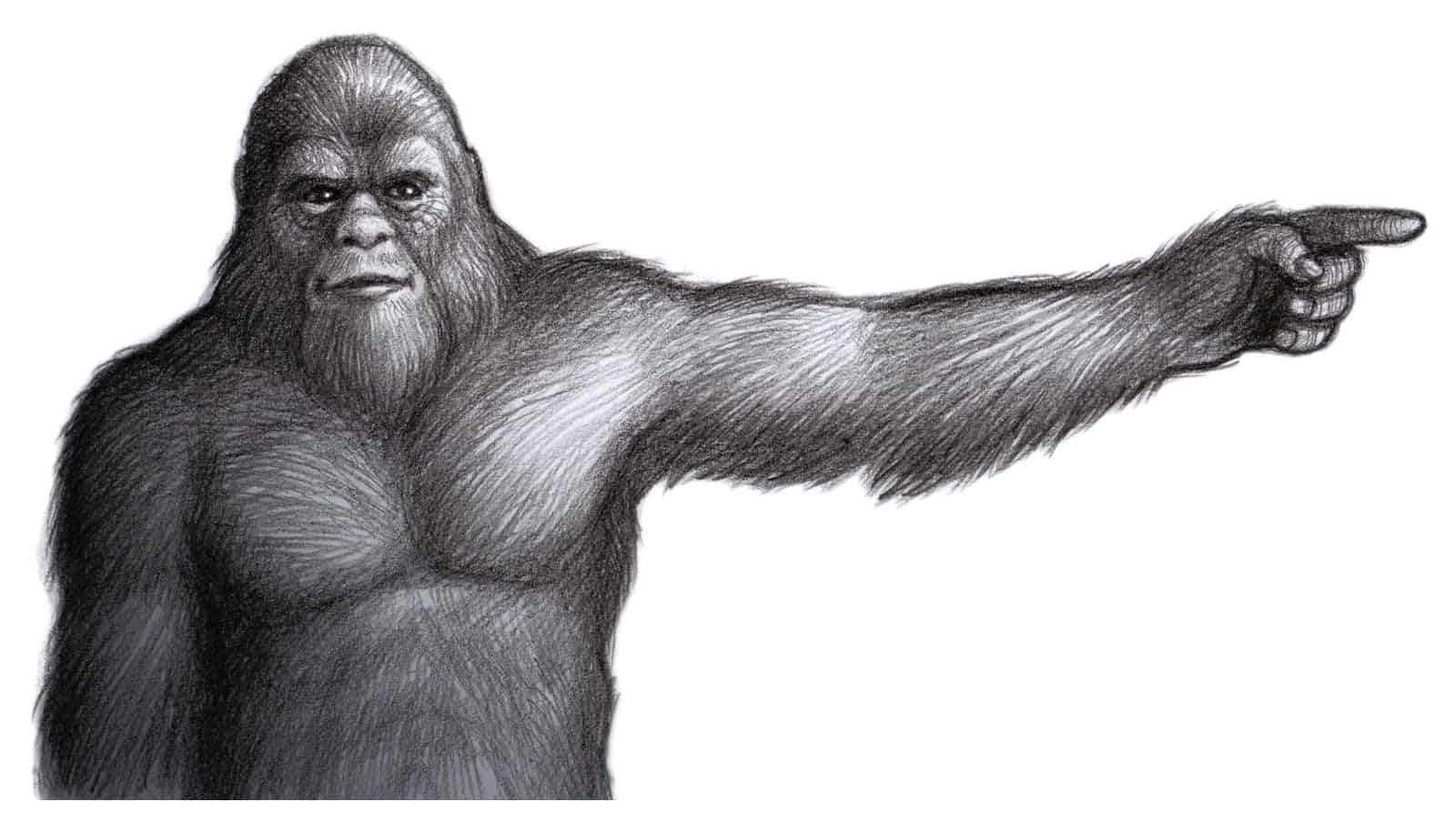
Bigfoot illustration by Rick Spears

I’m no scientist, but from what I’ve gathered from interviewing scores of them over the last five years, it’s not all it’s cracked up to be. Contrary to what some may believe, you don’t get to just create 8-foot-tall zombie men with bolts in their necks and go all Jekyll and Hyde whenever you want. You have to, like, deal with politics and shit.

In fact, it seems that many scientists are forced to spend their lives formulating ways to jump through bureaucratic hoops rather than formulating hypotheses—keeping their heads down while desperately trying to justify their existence by getting their names into academic journals and scrambling for funds.

“The saddest people on Earth are junior faculty hoping to get tenure at a university, because they’re forbidden to smile in public, crack jokes, or make eye contact, and they absolutely can’t be seen as being even mildly interested in tabloid stories,” Dean Radin writes in his 2017 book Real Magic. “It’s the kiss of death to put one’s twenty-plus years of education and training in jeopardy by being perceived as too sympathetic about controversial topics.”

So when it comes to Sasquatch, it seems the hoops a scientist has to jump through to study the creature are even wider, higher—and on fire. Or at least, that appears to be the case among some scientists brave enough to take the heat.

Even though it’s impossible to prove that Bigfoot doesn’t exist, and science holds that the absence of evidence is not evidence of absence—some scientists absolutely insist that Sasquatch can’t be real, says Jeff Meldrum, Idaho State anatomy and anthropology professor and author of Sasquatch: Legend Meets Science. Which is ironically un-scientific of them.

“I was faced with a colleague saying, ‘[Bigfoot] can’t exist; therefore, they don’t exist, and it doesn’t matter what evidence you think you have.’ And that’s a verbatim quote,” Meldrum says. “Where can you expect to get an equitable and objective review from an individual like that? They’ve already made up their mind.”

The Backlash Against Bigfoot Journalists: Dodging Barbs on the Sasquatch Beat

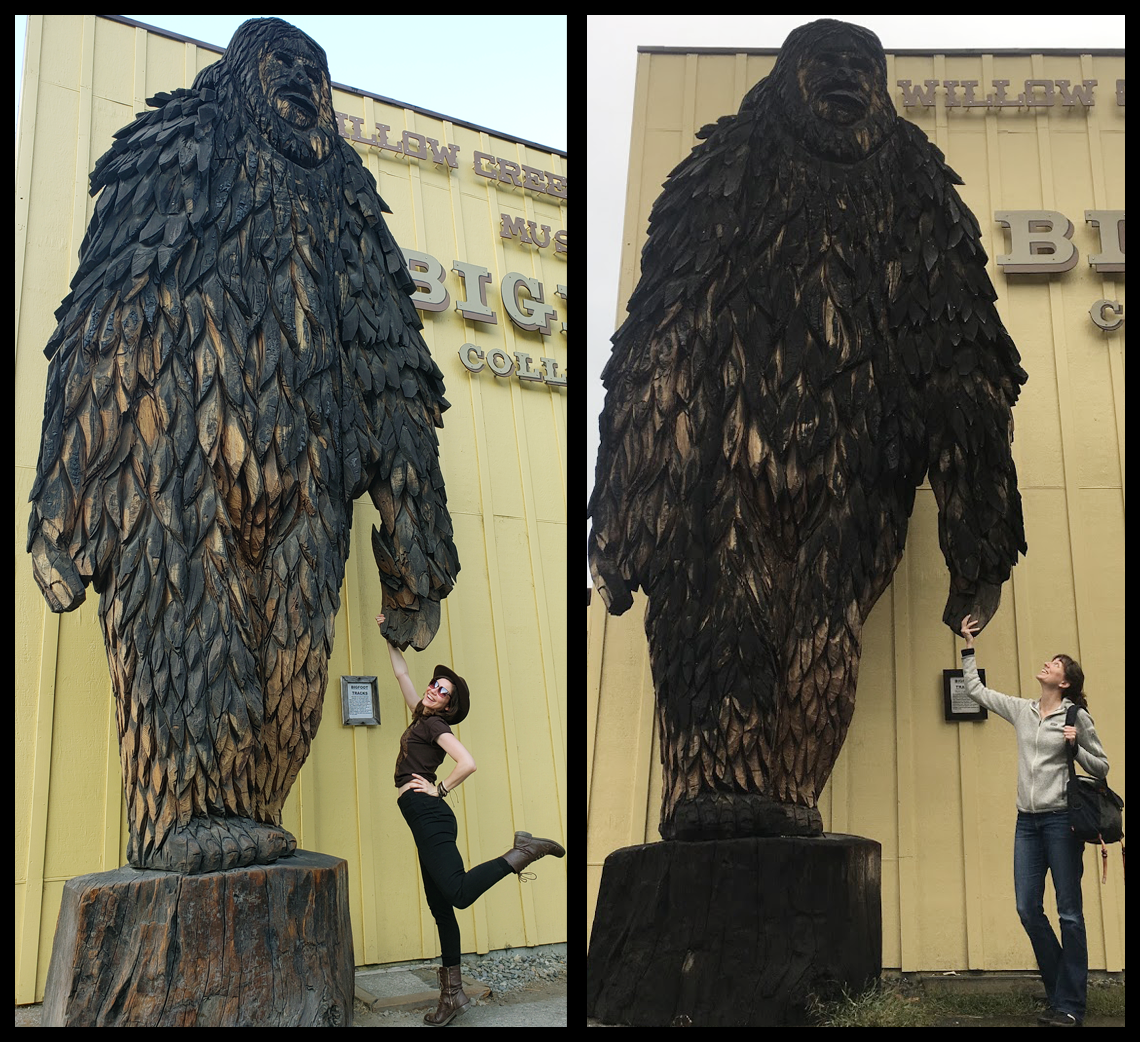
Me (left) and Laura (right), posing with the Bigfoot statue in front of the China-Flat Museum in Willow Creek, CA, the Bigfoot capital of the world. And no, we didn't have these taken at the same time. We hadn't even spoken yet. // Photo credits: Jordan Cerminara & Kelsey Ray

As you all know from my first post, writing about Bigfoot is kinda my thing.

While covering the Bigfoot beat over the last six months, I’ve met fascinating people from all walks of life—academics, scientists, hunters, hobbyists, backwoods buckaroos—all earnest in their examinations of the elusive creature. And for the most part, when I wanted to get people’s takes on the subject, they were happy, even tickled to chat.

Others however… were big, fat, fucking dicks.

Even though I made it clear that I’m agnostic about whether Sasquatch exists, some people automatically assumed I was a “true believer” merely by association, instantly loathing me.